
Sign up Today 1.866.699.4759 or Order Online
See if fast fiber internet is available at your address
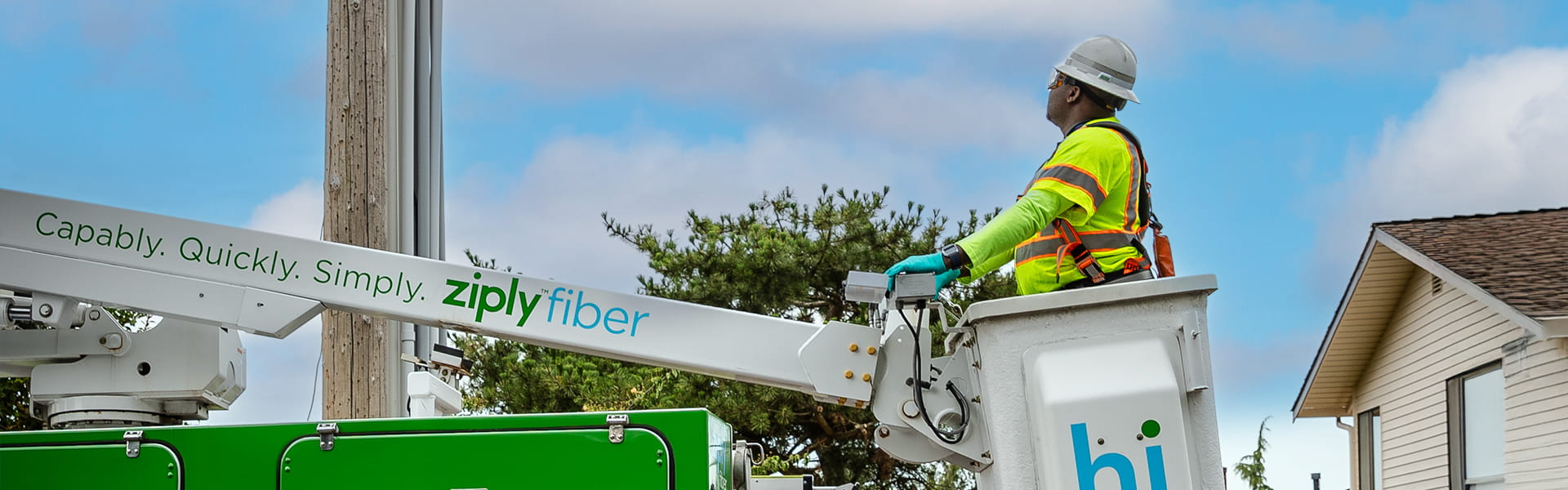
What you need to know about our construction and installation process.
Check availability in your area
This quick video explains what residents can expect to see once fiber construction gets underway.
To bring fiber internet to neighborhoods faster, we’ve designed a simple, clean construction process that involves placing fiber lines in a shallow underground conduit.
The result? A durable, high-speed fiber network designed to power your digital life for years to come, with minimal disruption and mess.
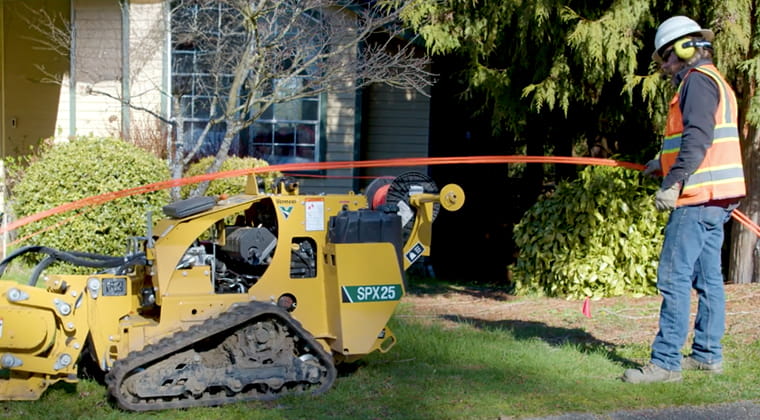
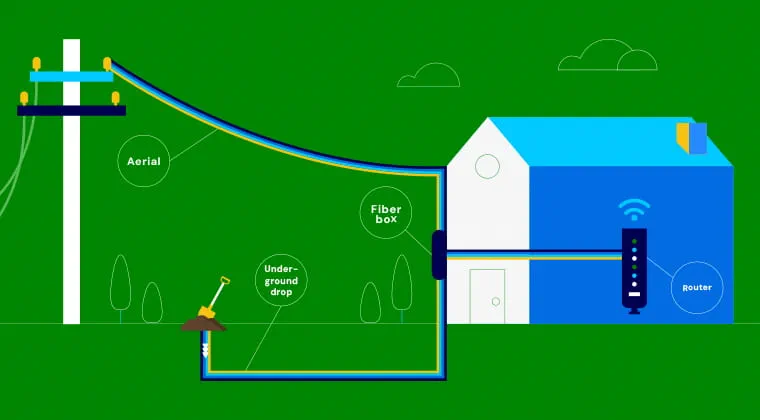
We have two methods we can use to bring fiber to your home:
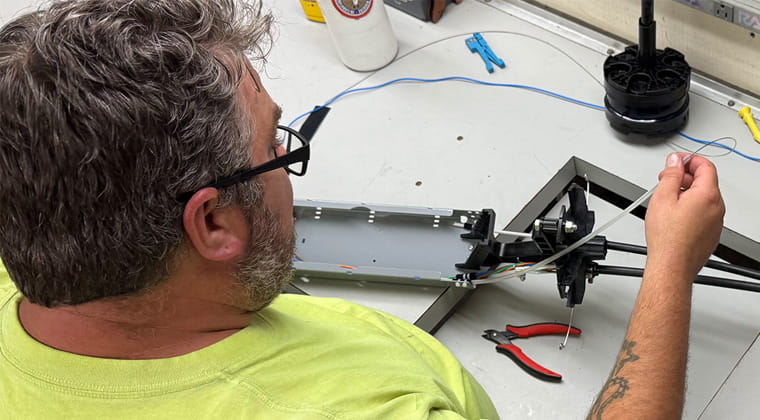
From the street to your screen, every piece of the fiber network plays a role. We explain how the fiber drop cable, patch panel, fiber splice and optical splitter work together to deliver fast, reliable internet straight to your home.
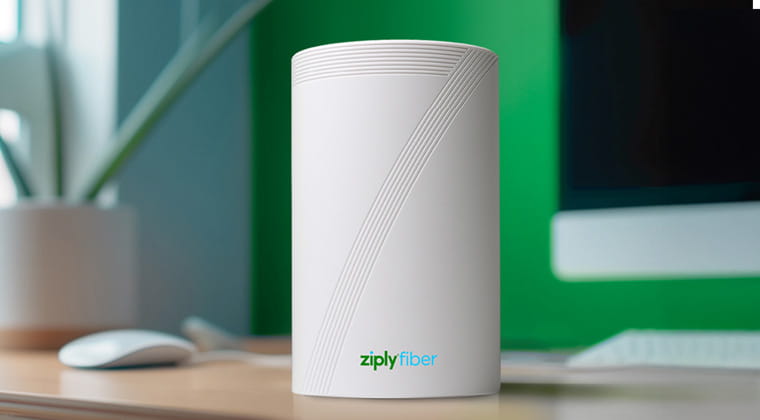
Fiber internet relies on an Optical Network Terminal (ONT) to translate data via pulses of light. It’s like a modem but made specifically for fiber. Learn about the differences and similarities between ONTs and modems in our Translating Tech series.

Fiber-powered internet is not the same as true fiber internet. True fiber internet relies on a fiber-optic network and brings fast, reliable fiber connectivity directly to the home. Learn about the difference here.
We are actively working to deliver our fast, reliable fiber internet service to homes and businesses across the region.
Here’s what to expect when you see us headed your way.
Before starting any construction, we’ll have survey crews on foot in the neighborhood. This is when we gather important information that shapes our construction plans going forward.
We’ll place flags and/or paint on the ground to mark utilities in our efforts to avoid impacting lines when digging is required. You’ll see these markers in yards and along roads and sidewalks.
Once we’ve safely marked the utilities, construction teams start the careful process of preparing the area for hanging fiber lines or burying them underground. This work may require access to public easements in the front, side or backyard of your property as well as excavation within the public easement including areas with maintained landscaping. Homeowners do not need to be home for this work to take place.
There may be temporary detours or street closures for underground work.
After prepping the area, we’ll start hanging cables on utility poles or pulling fiber through underground conduits. In some cases, we trim branches away from cable lines for safety reasons or to prevent cable damage.
The size of your neighborhood and local weather conditions are two of many factors that impact the amount of time this takes. We’ll work hard to minimize disruptions, like temporary parking restrictions, and complete everything as quickly as possible.
Before leaving, our crews will do their best to restore any areas impacted by construction. Our plan is to leave the area as clean and as close to the original state as possible.
If you have concerns about fiber construction on your property, click here to send us feedback.
After our new fiber network has been prepared for your area, residents and businesses can sign up for service. We’ll schedule a date and time for fiber installation to get you set up.
This quick video explains what to expect from the two key phases of fiber installation: bringing fiber to your home and connecting fiber to your home.
In many cases, we can complete your installation in a single visit. However, if fiber technology is brand new to your property, we might need to come out a second time.
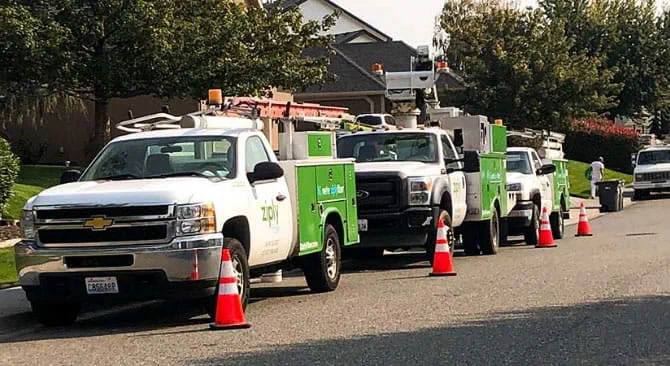
Construction is messy work, and we always try to leave the area the same as or better than it was when we started. Occasionally, we’ll need to return to make repairs or do additional cleanup. See an issue that needs our attention?
NOTIFY US
Get reliable super-fast fiber internet for apartments, condos, multi-family and multi-dwelling units (MDU).
If we’re installing Ziply Fiber near, but not in your neighborhood, there may be a way you can bring internet to your door a little faster.
We’re partnering with public organizations to bring broadband fiber internet to new areas as quickly as possible.
If we plan to expand our fiber network to your specific location, you’ll receive multiple communications, like door hangers and mailers.
Flags and paint tell us where we need to work around utility lines so our construction crews can avoid damaging them with their equipment. These markers are vitally important to keep local services uninterrupted and to prevent injury from ruptured gas or electrical lines.
Timelines vary based on a number of factors:
City planning and neighborhood layout
Weather and unexpected natural obstacles
Local restrictions
The fenced holes show where we place pedestals for equipment that supply fiber service to homes and businesses nearby. Weather permitting, we’ll install the pedestal soon after crews dig the hole. In the meantime, it’s fenced in for your safety.
Here are a few ways you can determine if you have an easement and how to find it.
Temporary parking restrictions allow crews to access and work in different construction areas safely. We realize this is an inconvenience, and we do our best to complete work as quickly as possible.
Service will be available for installation once a group of homes or businesses are collectively connected to the systems and we’ve completed testing. Ziply Fiber will attempt to contact you as soon as possible to sign up for service and schedule an installation at your address.