
How do you know if you have cable, DSL or fiber internet? The easiest way to find out is by checking your bill or logging into your ISP’s app to see how it’s labeled. Other ways to find out whether you have fiber internet include running a speed test or examining your equipment. Symmetrical upload/download speeds and low latency are good signs of fiber internet’s high-quality performance.
What is fiber internet?
Fiber internet is a type of internet connection that employs fiber-optic lines for rapid data transmission. Unlike conventional copper-based cable connections, fiber internet uses pulses of light to transmit data. These light signals traverse the wires, transferring information in binary code (0s and 1s). This mechanism allows for swift data transmission, making fiber internet a coveted choice for those seeking high-speed internet connections.
What is fiber internet and do I need it?
Why fiber internet is better
Fiber internet offers faster, symmetrical download and upload speeds, enabling smooth and glitch-free streaming, gaming and file sharing. Additionally, fiber-optic lines are less prone to interference, yielding a more stable and dependable connection. Fiber internet’s high bandwidth means that more data can travel faster, with minimal congestion or throttling.
Why you should make the switch to fiber internet
How to find out if your internet is fiber internet
- Check with your internet service provider (ISP): Contact their customer service, visit their website or check your app to see if they offer fiber-optic internet in your area.
- Check your bill: ISPs often offer specific internet plans tailored for fiber-optic connections. These plans may be marketed as “fiber internet” or “fiber-optic broadband.”
- Assess your home internet speed: If you have an internet connection that slows down at certain times of the day, you might be on a cable or DSL connection.
- Run a speed test: Fiber-optic internet offers symmetrical speeds, meaning the download and upload speeds are the same or very close—unlike cable, which has much lower upload speeds. If you're experiencing consistently fast upload speeds as well as downloads, it's a good indication that you have fiber internet. Run a speed test and see if the numbers are about the same. If the upload number is much lower than the download number, you probably have cable.
- Determine if you have low latency and reliable connection: Fiber-optic internet offers low latency, which means there’s minimal delay or lag when accessing online content, gaming or video conferencing. If you notice consistently low latency and a reliable connection without interruptions, it’s likely that you're using fiber internet.
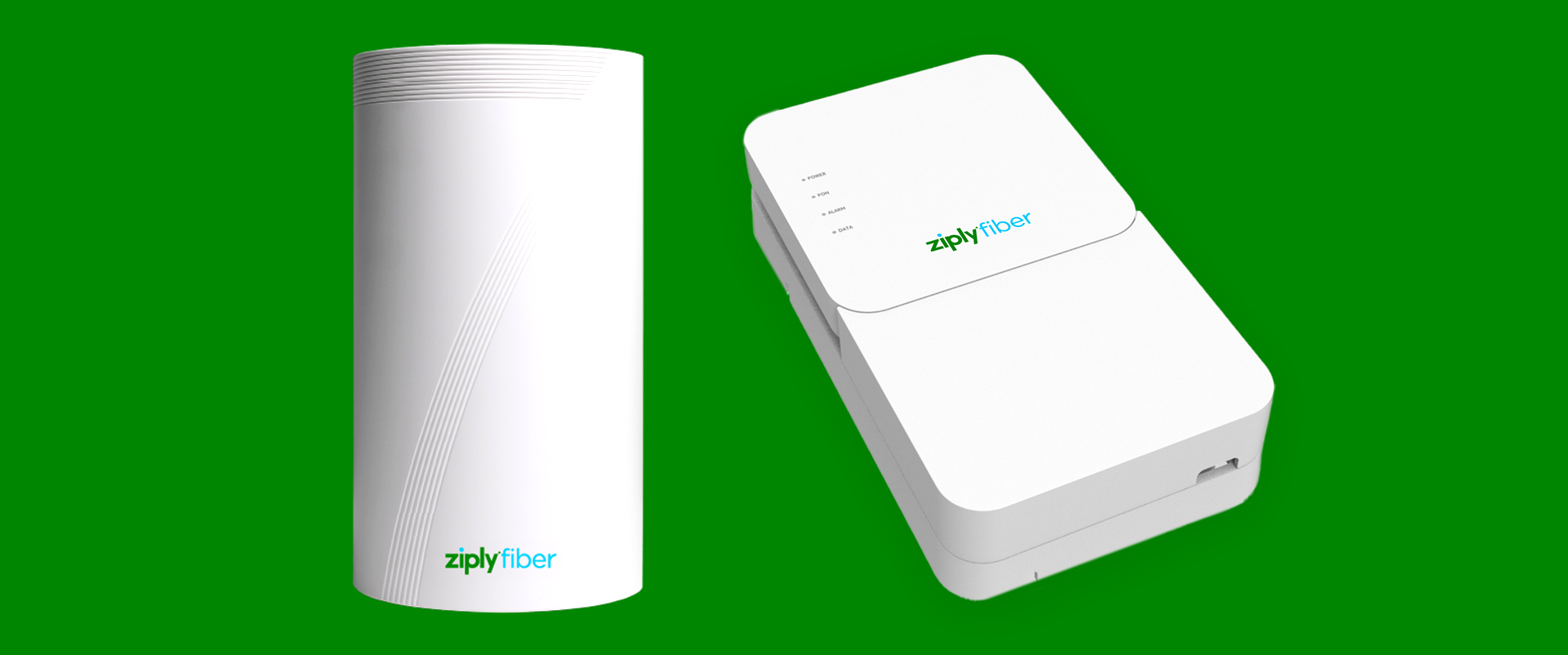
- Check your equipment: If you have a fiber internet connection, your ISP will provide you with an Optical Network Terminal (ONT), a small box specifically designed for fiber-optic connectivity that mounts to the wall. You’ll see a green fiber cord plugged into an Ethernet port. Cable modems connect to coaxial cable cords, which are round and usually screw into a port.
Finding out if you have fiber internet is easy, and there are multiple ways to do it, from directly reaching out to your ISP to assessing the performance of your internet for upload and download speeds, latency and reliability.
I don’t have fiber internet. How can I get it?
Start by searching for local fiber internet companies and check your address to see if they service your area.
If you are eligible for fiber internet installation, the company will send professional technicians to wire your home. This involves connecting a fiber-optic line from either the utility pole or through an underground trench to your home. They will have to drill a small hole to get the line inside. That line will connect to an Optical Network Terminal placed inside a garage or closet.
I’m in a rural area. When will fiber be here?
Many factors can delay fiber internet connectivity to rural areas. Infrastructure, permitting, grants, weather and topography are all factors that impact a fiber build.
My internet is “fiber-powered.” Is that the same thing as fiber internet?
No, fiber-powered internet means that your cable ISP relies on fiber connectivity somewhere in the network, but the internet connection coming to the home is cable and will perform like cable, not fiber. That means more latency, asymmetrical speeds, and more congestion.
Fiber internet vs. Fiber-powered internet
Since 5G is rolling out everywhere, isn't fiber internet becoming obsolete?
No, fiber internet is far from becoming obsolete. It's actually the backbone of 5G. While 5G offers fast wireless speeds, it still relies on fiber-optic networks to handle data transmission between cell towers and the internet. Fiber internet also provides faster, more reliable and lower-latency connections than 5G, especially for high-bandwidth activities like streaming, gaming and working from home. As demand for faster and more stable internet grows, fiber internet remains the gold standard for high-speed connectivity.
Do I need to buy all new special equipment to use fiber internet?
No. Most fiber internet providers supply the necessary equipment, such as an Optical Network Terminal (ONT), which converts the fiber internet signal into one your devices can use. The ISP will also provide a router optimized for fiber internet service.
How fast is 5G compared to fiber?
Ready to switch to fiber internet? Check out our plans and find the one that works for you.
Learn more about fiber internet plans at https://ziplyfiber.com.