
We live in one of the most connected regions in the country, and that connection depends on something very real beneath our feet and over our heads. Fiber internet is powered by miles of physical fiber lines, built street by street and city by city. As new neighborhoods grow and long-established towns modernize, Ziply Fiber is focused on expanding this network to hundreds of communities across the region.
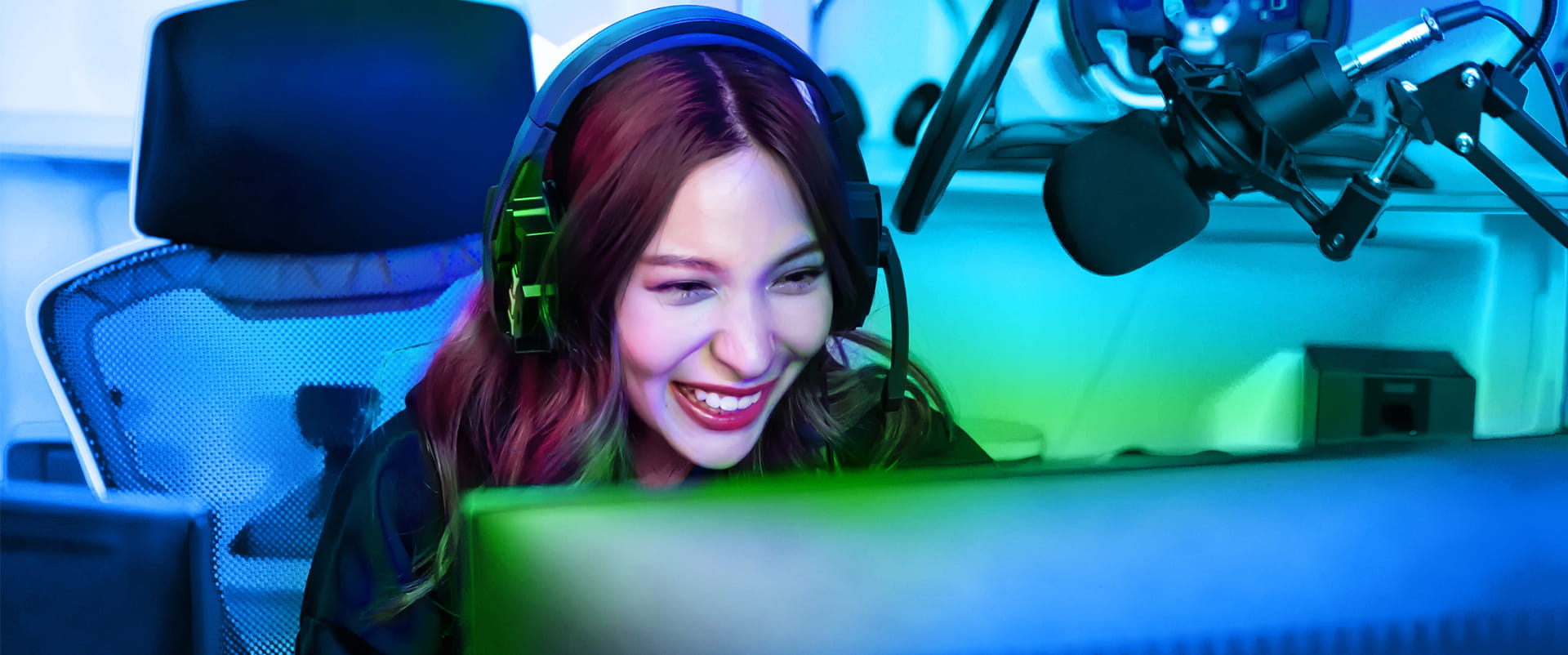
This buildout is more than an upgrade. It's a seismic shift in how people work, stream, play and communicate. Fiber internet is reshaping everything from competitive gaming sessions that demand near zero lag to AI tools that rely on huge amounts of data moving quickly and consistently. The stronger the infrastructure, the more everyday users can do without waiting, buffering or worrying about what their connection can handle.
The science of light speed internet
At the core of fiber-optic technology is a simple idea. Light moves fast. Instead of sending information through electrical signals like copper, fiber-optic cables transmit data as pulses of light through an incredibly thin strand of glass. Each strand is thinner than a human hair yet capable of carrying more data than an entire bundle of copper cables.
The result is a connection that feels effortless. Light doesn't face the same resistance, heat or signal loss that electrical signals do, which means fiber-optic cables can keep speed and consistency even over long distances. Because the glass doesn't rely on electricity to carry the signal, it also uses far less energy. That efficiency adds up across entire networks and is one of the reasons fiber-optic cable is viewed as a more sustainable long-term solution.
What makes up a fiber network
A full fiber network is built from several components that connect the digital world together. Each part plays a different role and works with the others to deliver a smooth experience to the end user.
Backbone
Think of the backbone as the highway system of the network. These long-haul fiber lines stretch between major cities, data centers and cloud providers. They carry enormous volumes of data, keep regions tied to national and international networks and support everything from streaming platforms to enterprise operations.
Middle mile
If the backbone is the highway, the middle mile is the road system that branches off toward towns and neighborhoods. It moves data from those major routes into local hubs. Without a strong middle mile, even the fastest backbone couldn't deliver a strong connection to homes or businesses.
Last mile
This final section brings fiber internet directly to customers. The last mile includes the fiber-optic lines that run along your street, the connection point at your property and the fiber modem inside your home or business. It's the part you depend on every day whether you're joining a video call, gaming online or backing up files to the cloud. A pure fiber last mile delivers the full benefit of the network with no slowdowns caused by switching to older copper or coaxial cable lines.
Why fiber beats copper
Copper has been around for decades. It served the early internet well, but it was built for phone calls, not for the kind of digital traffic people rely on now. Fiber-optic cables have several advantages that show up immediately in everyday use.
It's far more reliable because light signals don't degrade the same way electrical signals do. It provides symmetrical speeds, so uploads are as fast as downloads which makes a big difference for video calls, cloud storage, gaming and content creation. It's also built to handle the rising wave of online activity. Streaming in 4K, running smart home devices or tapping into new AI based applications all require a connection that can keep up without slowing down.
Copper networks can only be pushed so far before they hit a physical limit. Fiber networks still have room to grow and can scale to speeds most people don't need yet but likely will in the coming years.
Building for the future
Fiber internet is one of the most future ready technologies available. The glass strands inside the cable are built to last for decades with very little degradation. They require fewer repairs and replacements which cuts down on materials and long-term maintenance needs. Because fiber lines use less energy to move the same amount of data, it also supports a greener, more efficient network overall.
Once fiber-optic cables are in the ground, upgrades can happen through the equipment at each end of the line rather than digging everything up again. That's what makes it such a strong foundation for the next generation of technology.
How Ziply Fiber builds differently
Not all fiber builds are the same. Ziply Fiber puts local work at the center of the process. Our crews live in the communities they serve and understand the unique challenges that each poses, whether that means rocky soil, small town grids or heavy winter weather. We plan closely with city leaders and local planners to make sure construction goes smoothly, safely, and is aligned with how neighborhoods work.
We also design our infrastructure to handle the region's climate. That includes weather ready construction practices and equipment choices that stand up to rain, cold and snow. The result is a network that's built to last and built to serve long-term.
Bringing you what you deserve
As more of life moves online, the strength of our network matters more than ever. Fiber-optic cable gives communities room to grow, innovate and stay connected without hitting the limits of older systems. Ziply Fiber is committed to making that future accessible to all in the region by building a network that's fast, durable and ready for whatever comes next. Whether you're streaming, gaming, working or creating something new, a strong fiber network foundation makes it all possible.