
Tom Novotney, VP, Field Operations at Ziply Fiber
When you think about getting fiber internet, you might imagine a sleek cable running to your home and, voilà, lightning-fast speed. But behind that simple idea are a few key pieces of technology that make it all possible. Let's break down four of them: the fiber patch panel, fiber splice, optical splitter and fiber drop cable. Don't worry, you don't need to be an engineer to understand how they work.
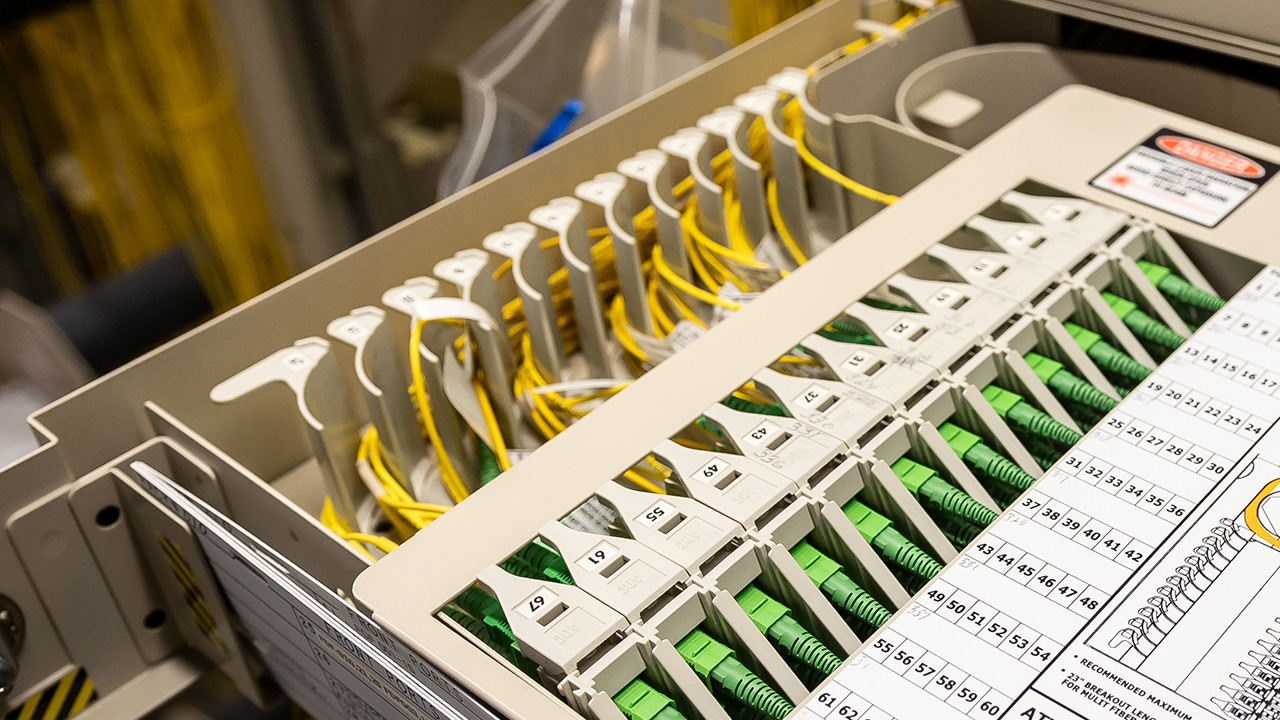
Fiber patch panel: the organized middleman
Inside a network hub or building, a fiber patch panel keeps things tidy and connected. Imagine a well-labeled switchboard where each cord has its place. That's essentially what a patch panel does; it organizes dozens or even hundreds of fiber connections in one place, making it easier for technicians to test, manage and repair the network.
Why it matters
When you have an organized panel, your internet service can be maintained and upgraded quickly without disrupting connections. It's one of the quiet heroes that keeps everything running smoothly behind the scenes.
Fiber splice: the seamless connection
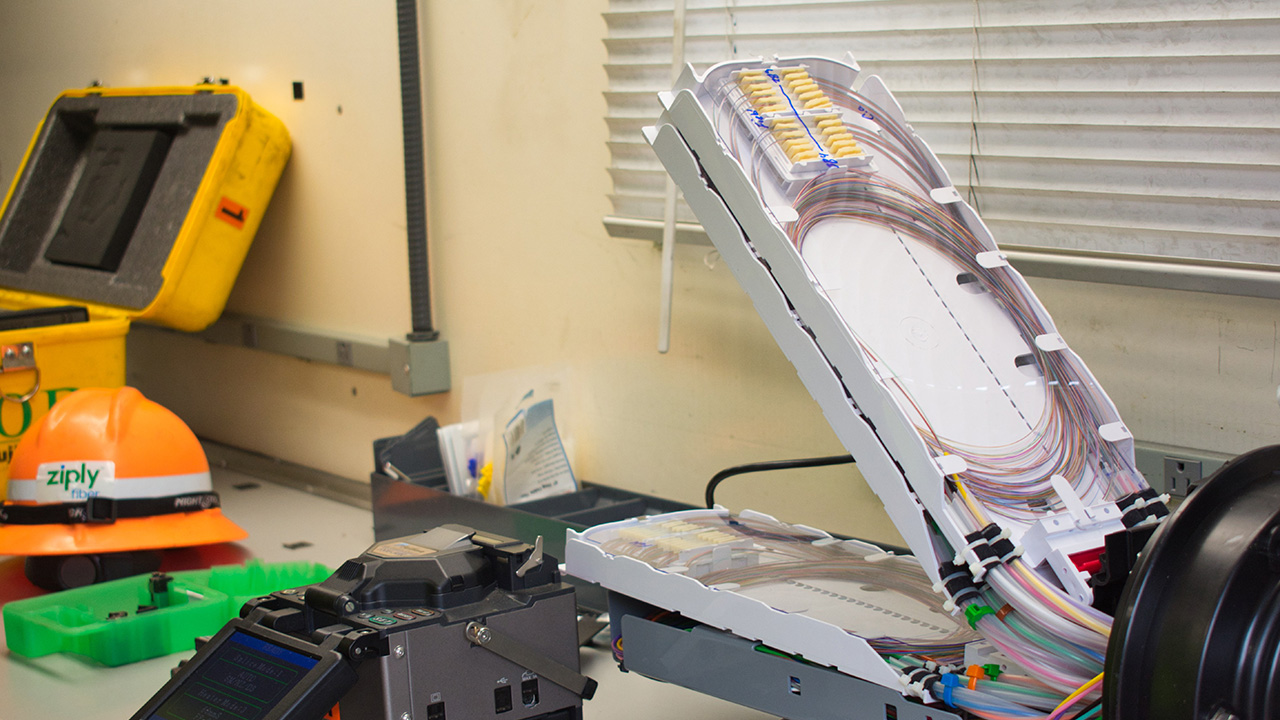
A splice is where two fiber optic cables are joined together, kind of like welding glass. Because fiber cables transmit light, the connection has to be perfectly aligned, so no light is lost at the junction. Technicians use precision tools (and a steady hand) to fuse these fibers, creating a connection that's as strong and efficient as the original cable.
Why it matters
Good splicing means a strong, consistent signal. It's especially important when extending or repairing fiber lines. One bad splice could mean slower speeds or interruptions, which is why Ziply Fiber invests in advanced splicing equipment and expert technicians.
Optical splitter: one line, many connections
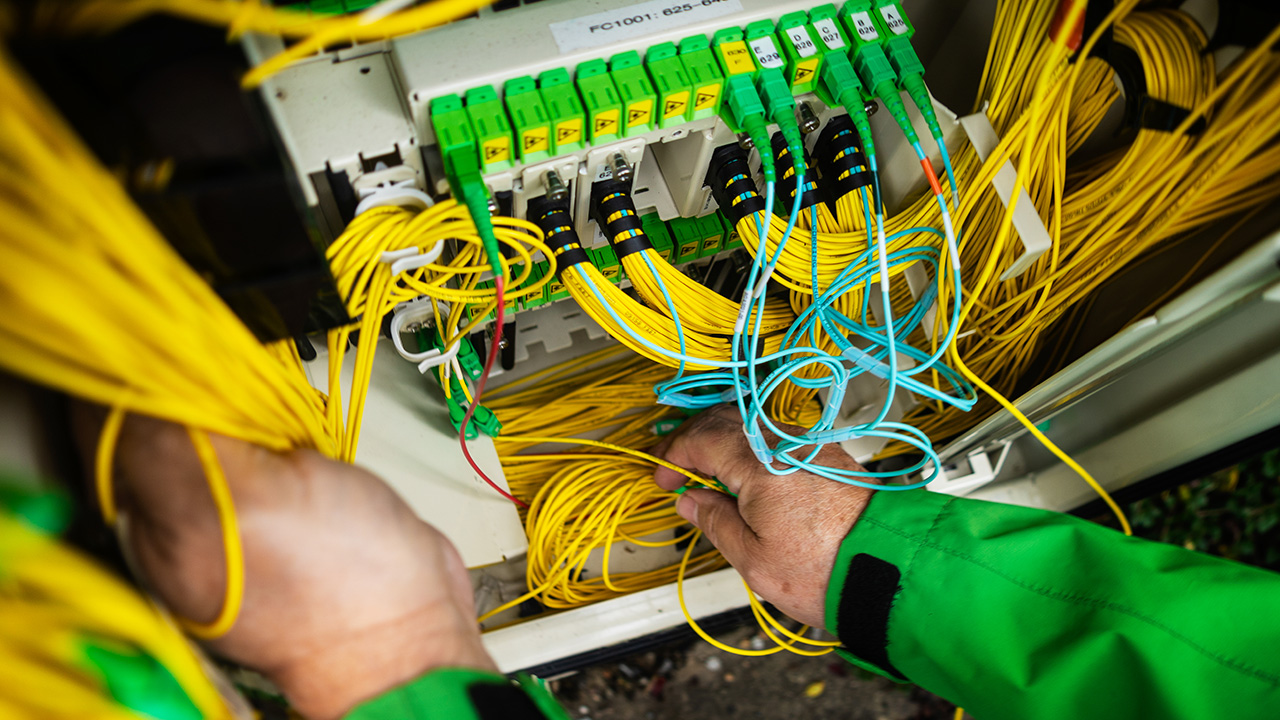
The optical splitter divides one main fiber line into several. This small device "splits" a single optical signal into multiple identical ones, allowing multiple homes or businesses to connect to the same fiber network without losing quality.
Why it matters
Splitters make it possible to serve entire neighborhoods efficiently. They help deliver the same high-speed connection to many customers without needing a separate line for each address, keeping things cost-effective and environmentally smart.
Fiber drop cable: the last mile connection
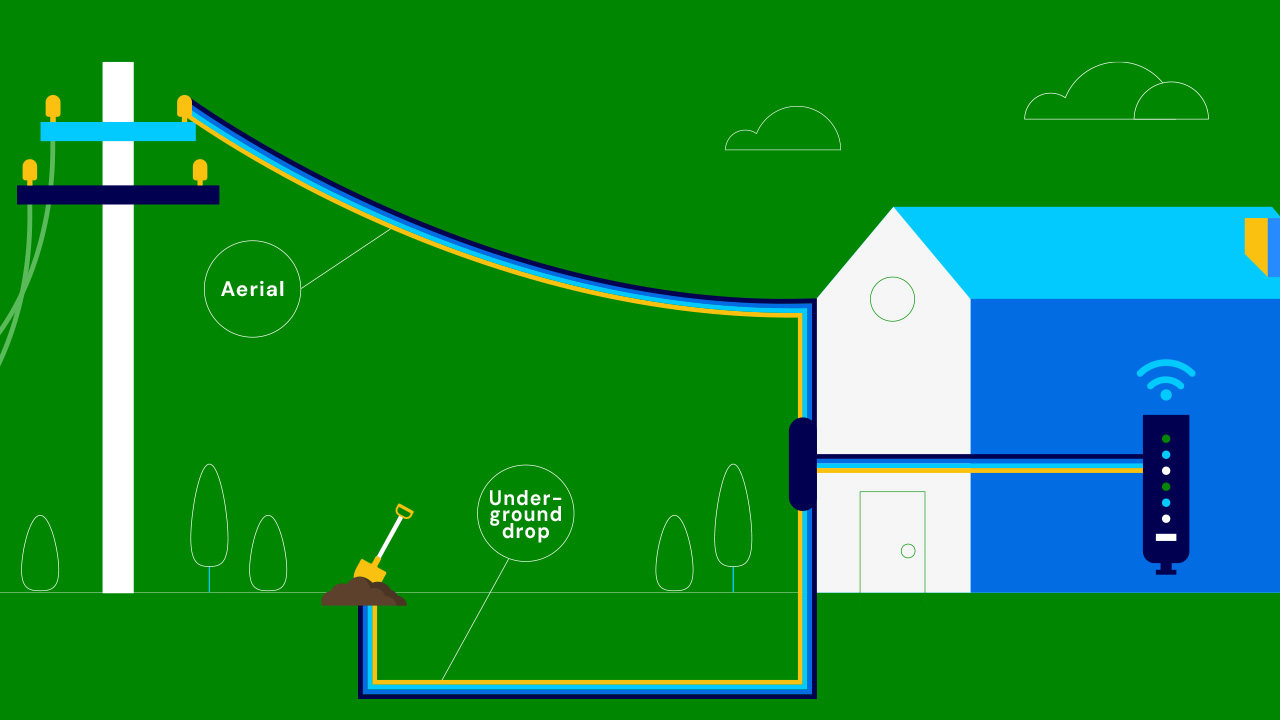
Think of the fiber drop cable as the "driveway" of your internet connection. It's the cable that runs from Ziply Fiber's main line on your street directly to your home or business.
Inside, this small but mighty line carries pulses of light (data) at incredible speed. Unlike traditional copper lines, fiber drop cables are made of ultra-thin glass strands wrapped in protective layers. They're built to handle all kinds of weather, from summer heat to Northwest rain, wind and snow.
Why it matters
The fiber drop cable is what makes a true fiber-to-the-home (FTTH) connection possible. It's the final link in the chain that ensures you're getting the full, unfiltered power of fiber internet, not a mix of fiber and older technology.
Bringing it all together
From the street to your living room, every piece of the fiber network plays a role in delivering reliable, ultra-fast internet. The drop cable connects your home, the patch panel organizes the network, the splice keeps connections seamless, and the optical splitter shares the signal with your neighbors. Together, they make the invisible world of fiber optics work beautifully in the background, so you can stream, work and connect without giving it a second thought.
About the Author
Tom Novotney is part of Ziply Fiber's engineering and operations team, where he focuses on the technology and infrastructure that keeps the Ziply Fiber network running smoothly.