
By David Triboulet, Director, Network Engineering at Ziply Fiber
Most of us want our internet to work fast, consistently and without surprises. But every so often, you'll hear terms like data caps, bandwidth or throttling, and suddenly things feel more complicated than they should. These concepts affect everything from how many devices you can run to whether your connection slows down during peak hours. Let's break them down in plain language so you know what they mean, why they matter and how they show up in everyday life.
Data caps: limits on how much you can use
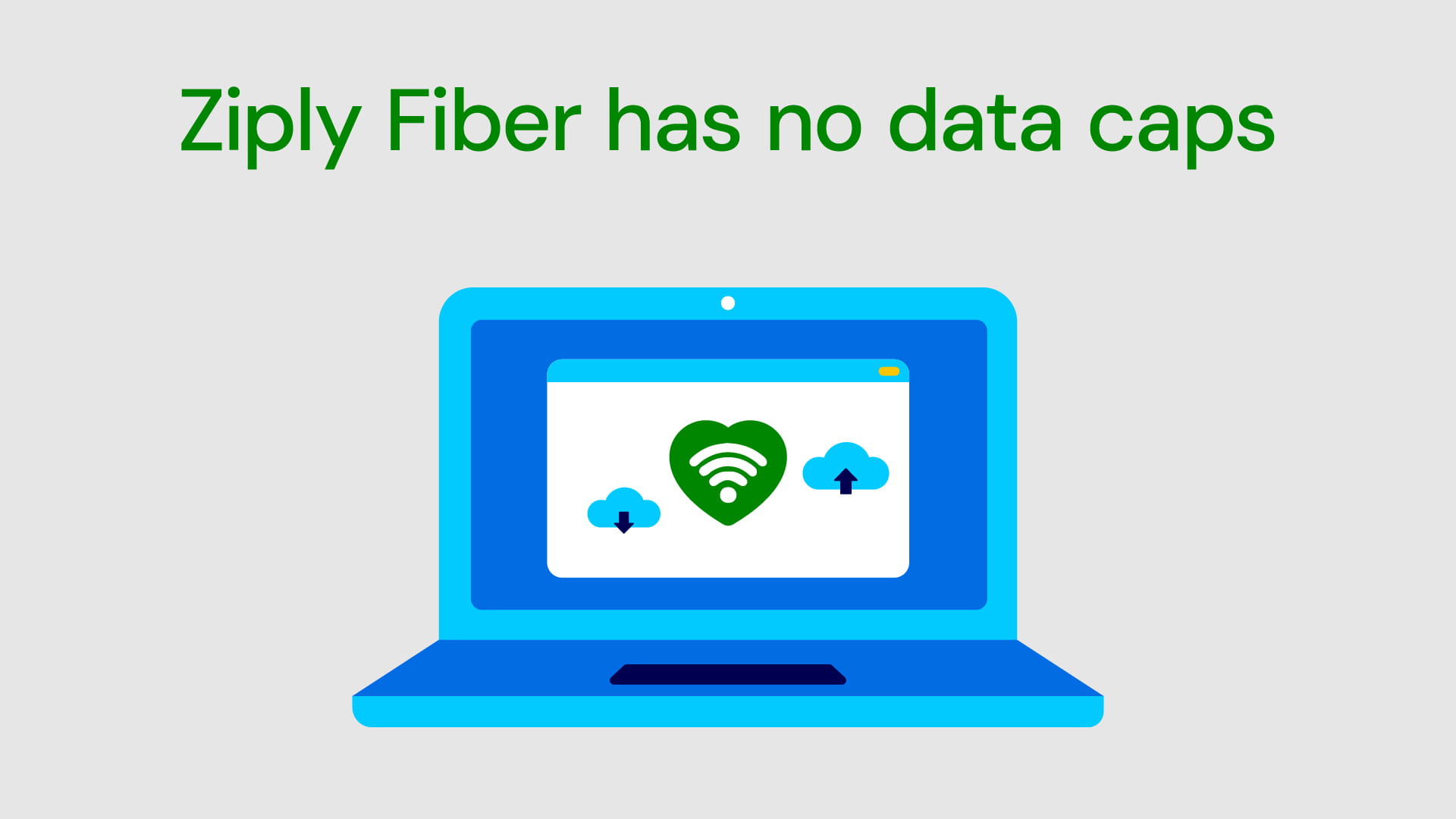
A data cap is a monthly limit set by some internet providers on how much data you can consume. Think of it like a monthly allowance: once you hit the limit, you may have to pay extra fees, or your speed may be reduced.
And data usage adds up fast. Daily video calls for work, cloud backups, connected home devices and online gaming all contribute, often without you realizing how much they're using. It's easy to cross a cap without ever doing anything out of the ordinary.
That's why Ziply Fiber doesn't use data caps. We don't think customers should have to "budget" their fiber internet or keep track of how many episodes they've streamed.
Why it matters
Data caps add stress where it's least helpful. They can change how you use the internet, making you worry about going over limits instead of simply enjoying the service you're paying for. Unlimited data gives you the freedom to use your connection the way you want.
Bandwidth: how much you can do at once
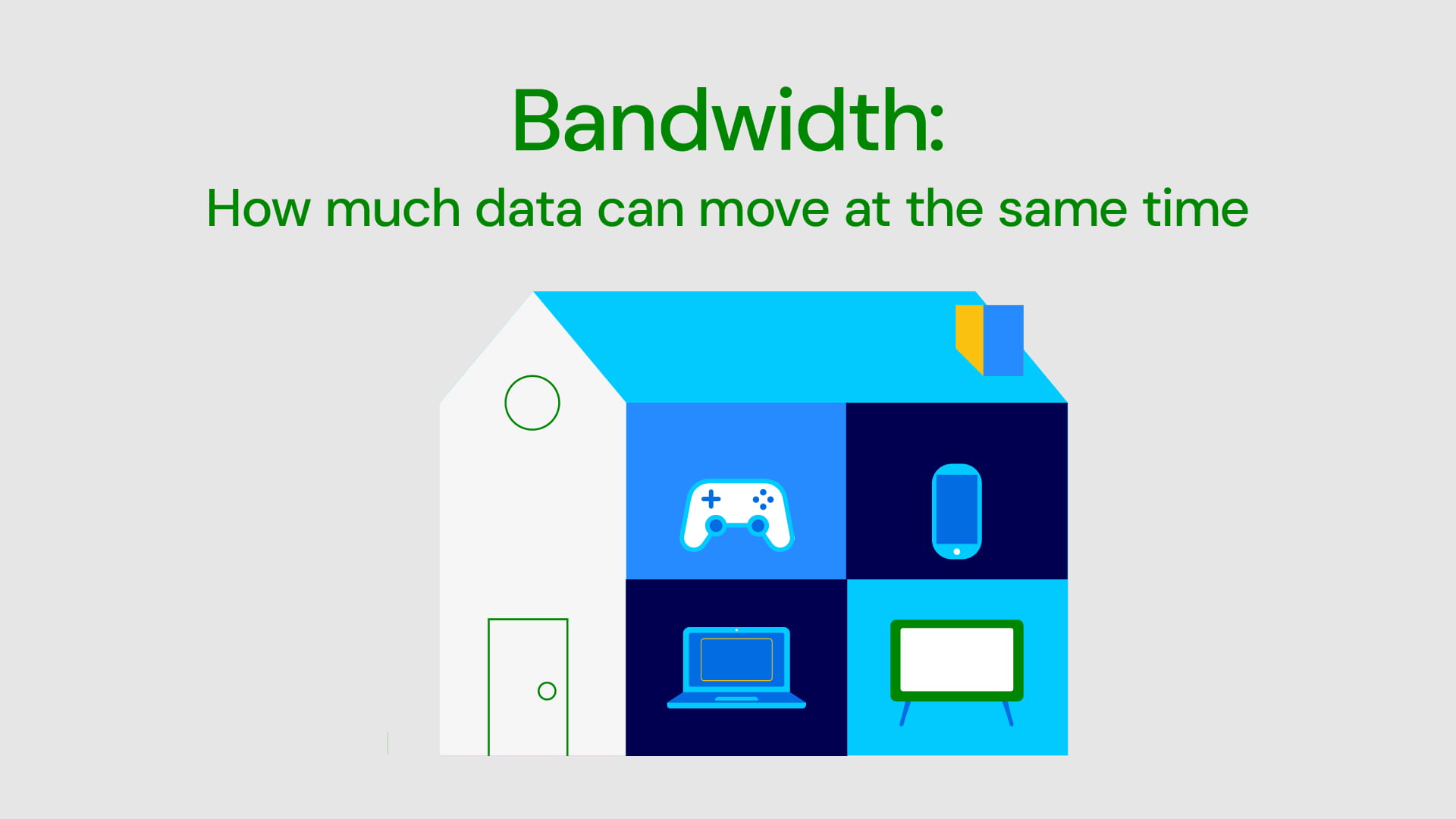
If internet speed measures how fast your data moves, bandwidth measures how much data can move at the same time. Think of it this way:
- Speed = how fast each car travels.
- Bandwidth = how many lanes the highway has.
The more lanes you have, the more cars can move freely without slowing each other down.
Bandwidth becomes especially important in homes and businesses where multiple devices are active at once. A typical household might have a dozen or more connected devices, from laptops and phones to TVs, security cameras, thermostats and game consoles. Add a few people trying to stream or join meetings at the same time, and lower bandwidth starts to show its limits.
Why it matters
More bandwidth keeps your connection steady, even during busy times. It helps prevent buffering, lag and dropped calls. For families, remote workers and small businesses, having enough bandwidth isn't just convenient, it's essential.
Bandwidth throttling: when things slow down on purpose
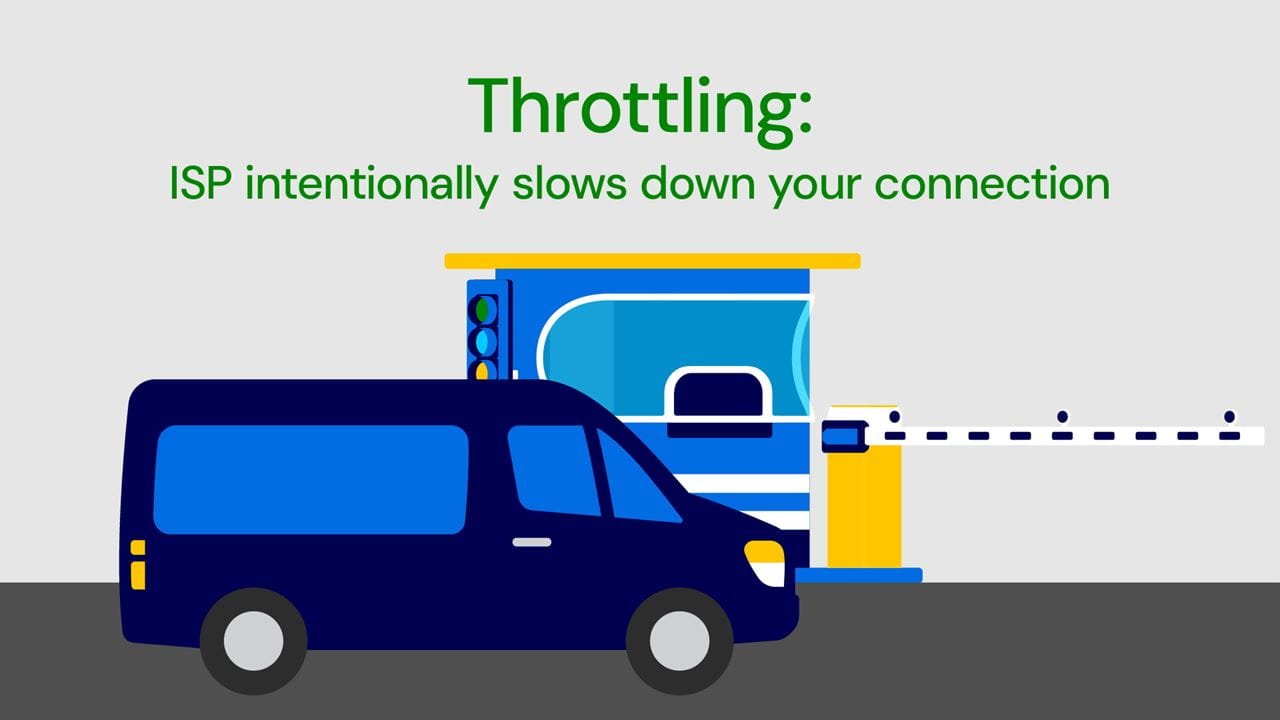
Throttling happens when an ISP intentionally slows down your connection. This can happen for a few reasons, including network congestion or because a customer has hit their data cap (at ISPs who use them).
A simple analogy: Imagine a toll gate forcing cars to slow down because the road ahead is crowded. Throttling works the same way. Even if your plan advertises at a certain speed, throttling can reduce it temporarily, sometimes drastically, depending on the network and the policies of the provider.
The tricky part is that throttling often appears unpredictable. Your internet might be fast for one moment and sluggish the next, without a clear explanation.
Why it matters
Throttling leads to inconsistency. Slowdowns during peak hours can impact work meetings, online classes, live streams, gaming sessions and even smart home devices. That's why Ziply Fiber doesn't throttle customer speeds. We believe your connection should stay fast when you need it most.
Bringing it all together
Data caps place limits on how much you can use. Bandwidth determines how much your household or business can do at once. Throttling slows your connection down—often at times when you're relying on it most.
Understanding these terms helps you make informed decisions about your internet and what to look for in a service provider. At Ziply Fiber, we focus on eliminating limits, increasing capacity and delivering a network built to handle today's connected homes and tomorrow's growth. That means no data caps and no throttling, just consistent, ultra-fast fiber designed to stay reliable no matter how many devices you're running.
About the Author
David Triboulet helps design the systems that keep our network fast, resilient and built for the future.